Understanding the U.S. Education System and GPA Calculations
February 13, 2026
For students and professionals educated outside the United States, navigating the American education system can feel complex at first. From unfamiliar school structures to different grading scales, understanding how education is organized and how academic performance is measured is an important step for anyone planning to study, work, or pursue licensure in the U.S.
At the center of this system is the Grade Point Average, often referred to as the GPA system in America. GPA plays a significant role in academic admissions, employment decisions, and eligibility for scholarships. Understanding how it works begins with understanding how the U.S. education system itself is structured.
The Structure of the U.S. Education System
Education in the United States is generally divided into four main stages: grade school, middle school, high school, and post-secondary education.
Grade school, sometimes referred to as elementary or primary education, typically covers the early years of formal schooling. When people ask about the meaning of grade school in the U.S. context, it usually refers to education from kindergarten through approximately fifth or sixth grade, depending on the state. This stage focuses on foundational skills such as reading, writing, mathematics, and social development.
Middle school follows grade school and usually includes grades six or seven through eight. This stage serves as a transition between elementary and high school, introducing students to subject-specific classes such as science, history, and foreign languages. Middle school also emphasizes greater independence, critical thinking, and preparation for the academic demands of high school.
After middle school, students enter high school. High school is typically completed over four years and ends with a senior high school graduation and diploma. For international applicants, understanding high school equivalency is especially important, as U.S. higher education institutions often require proof that secondary education meets American graduation standards.
The final stage is post-secondary education. The term post-secondary refers to any education pursued after high school, including community colleges, universities, and graduate programs. This is where academic specialization occurs and where GPA becomes especially critical.
How the U.S. Education Grading System Works
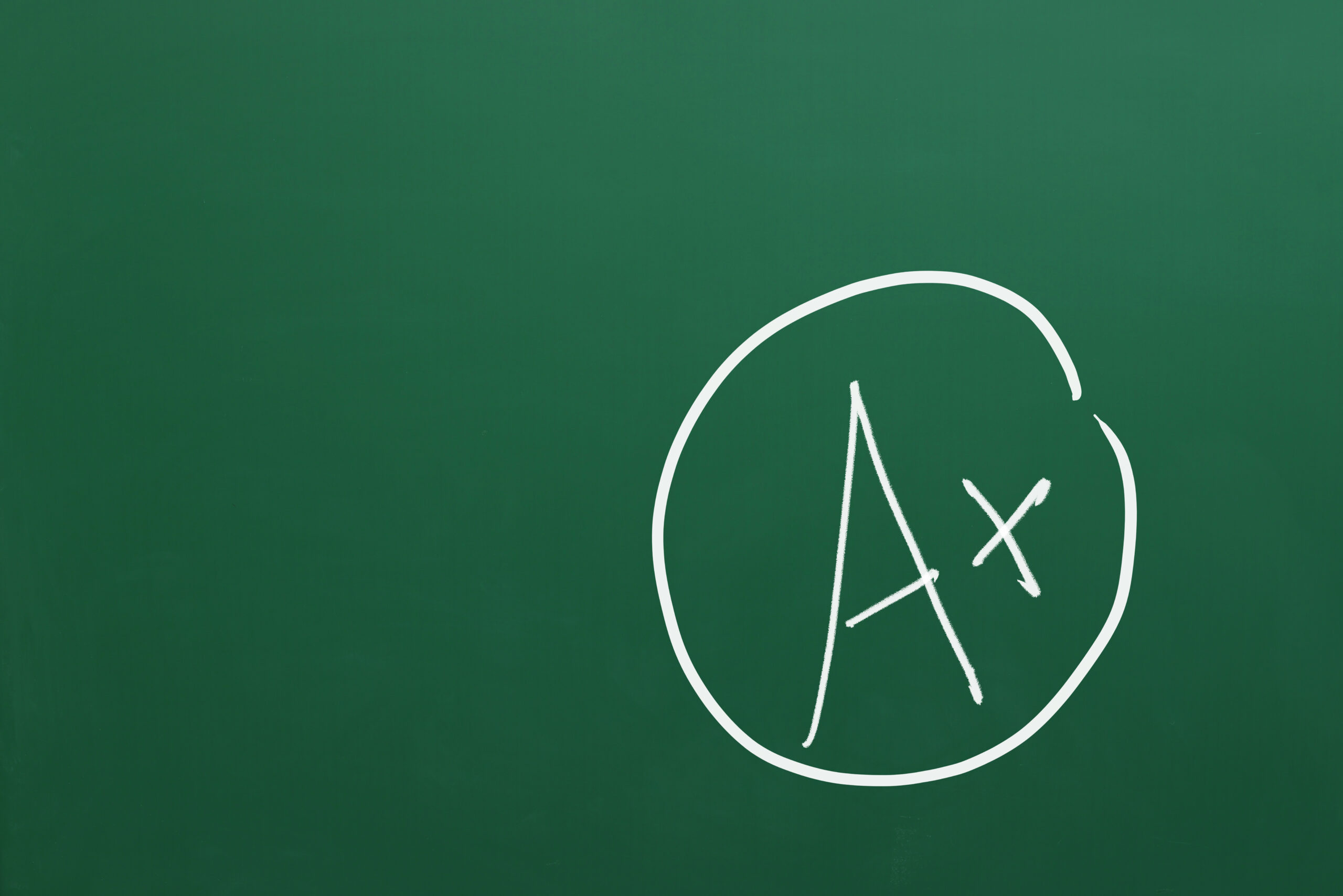
The U.S. education grading system typically uses letter grades rather than numerical scores. Most institutions follow a scale that includes A, B, C, D, and F, though some use plus and minus variations.
Each letter grade corresponds to a numerical value used for GPA calculations:
- A = 4.0
- B = 3.0
- C = 2.0
- D = 1.0
- F = 0.0
When plus and minus grades are used, values may range slightly higher or lower. This system allows institutions to calculate an overall GPA by averaging the numerical values of all completed courses.
Understanding GPA Calculations
GPA is calculated by assigning point values to grades and averaging them across courses. Some classes may carry more weight, especially at the post-secondary level. For example, advanced or honors courses may be calculated differently depending on institutional policy.
A common question among international students is what the highest GPA is in the U.S. On a standard scale, the highest GPA is typically 4.0. However, some schools use weighted GPAs, particularly in high school, which can allow GPAs to exceed 4.0 for advanced coursework. This distinction is important when comparing academic performance across systems.
Why Understanding GPA Matters
GPA is more than just a number. It provides insight into academic consistency, performance over time, and readiness for future study or professional responsibilities. Admissions officers and employers use GPA as one of several tools to assess an applicant’s background.
Because education systems vary globally, understanding how grades translate into the American context is essential. A strong academic record can only be fully recognized when its structure and grading system are clearly understood.
Consistency and Clarity in U.S. Education
Understanding how the U.S. education grading system works, how GPA is calculated, and how educational stages are defined empowers individuals to make informed decisions and confidently plan their next steps. With the right information, navigating the American education system becomes far more accessible and far less intimidating.
The Evaluation Company is widely recognized for its expertise in U.S. education standards and international academic structures. We support institutions and individuals who rely on accuracy, consistency, and informed analysis. With a strong reputation among universities, employers, and licensing bodies nationwide, we remain committed to helping academic achievements be clearly understood and appropriately recognized within the U.S. education framework.
 3 MIN. READ